I never thought I could be stressed without realizing it. But that’s exactly what I asked the consultant:
“Can you be stressed without knowing?”
I had faced anxiety attacks, mental breakdowns, and even terrifying voices commanding me to do the unimaginable. After my recovery, I made a vow never to joke about my mental well-being again. I became fiercely protective of my space, guarding it carefully. If someone overstepped, I had no problem cutting them off without hesitation. That was how I survived and thrived for the past twelve years.
So when I started feeling “off”—exhausted but restless, drained but still pushing through—I didn’t recognize it as stress. After all, I thought stress was supposed to be obvious, something you could see or feel. But this was different.
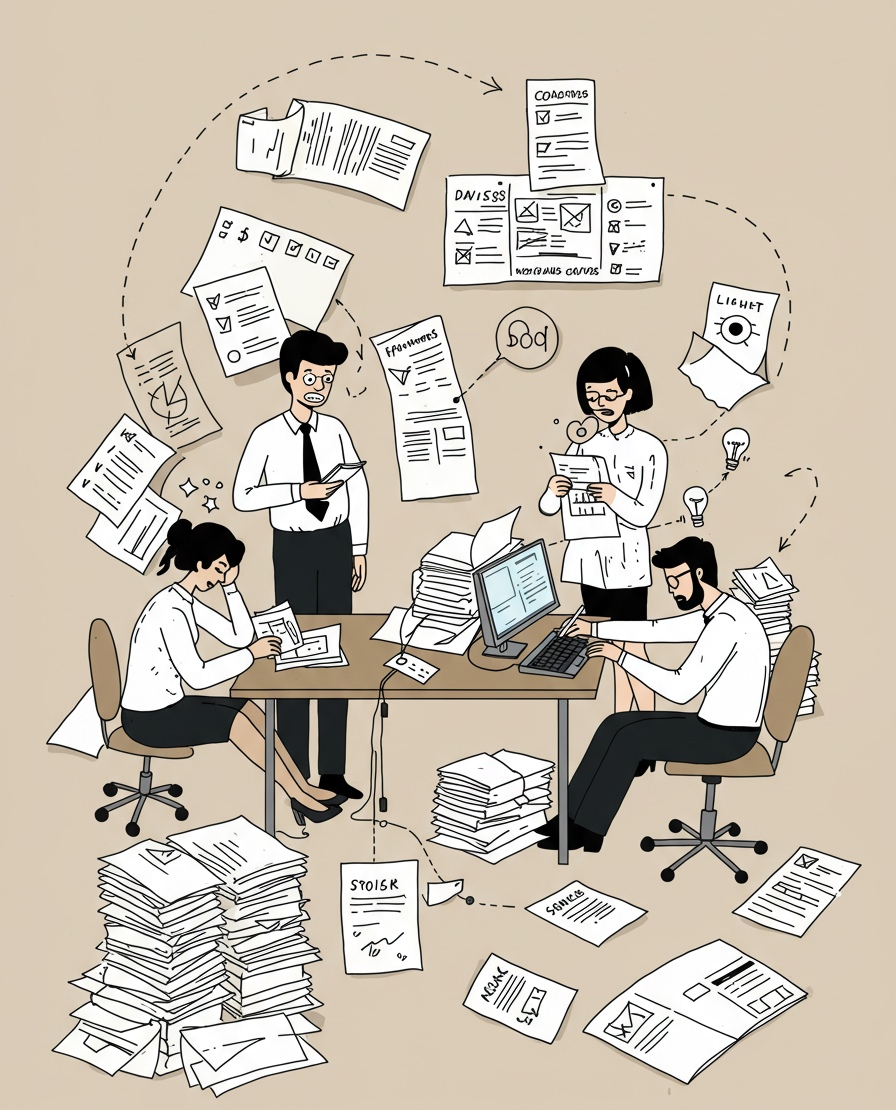
For over a year and a half, my workplace had been short-staffed. Not because we weren’t hiring, but because people kept leaving. One by one, my colleagues walked away—some found new jobs, others quit with no backup plan. They just couldn’t take it anymore. I saw their mental health deteriorate and did everything I could to call management’s attention to the issue.
And then, I became the target. The one who wouldn’t stay silent.
We got several temp workers. Management assured us they were experienced, but what they failed to acknowledge was that experience in a role doesn’t equal familiarity with an organization’s processes. Each time I asked who would be training them, I got silence. I was tired—tired of coaching, tired of watching them leave after a few weeks, tired of starting over again and again. Though I loved making an impact, the constant disruptions drained me, especially while trying to juggle my own workload and cover a vacant position in my team.
I thought I was managing.
But then, I started waking up in the middle of the night composing email responses in my head. I’d mentally organize my calendar before I even opened my eyes in the morning. I had clocked out physically, but my mind was still stuck at work.
The first red flag? My lunch breaks—if you could even call them that. I’d sit down to eat, only for someone to interrupt me with a question they should have been able to figure out. I remember picking up my fork, ready to take a bite, when someone stood over me and asked, “Are you on break?” I wanted to scream, Does it look like I’m working? But instead, I swallowed my frustration and answered. Slowly, I stopped taking proper breaks. I wasn’t a breakfast person, so my first meal of the day often came at 3 p.m. And then the cramps started. Irritable bowel syndrome, courtesy of stress.
Then came the itching.
One night, my body started itching uncontrollably. No rashes, no visible cause—just an unbearable, full-body itch. My skin felt like it was on fire. At first, I dismissed it. But it got worse. My body became inflamed, so sensitive that I couldn’t even wear clothes without discomfort. That was when it hit me.
My body had been speaking to me, screaming for attention. And I had ignored it.
How to Cope in a Toxic Work Environment:
If any of this sounds familiar, your body might be telling you the same thing. Here’s what I’ve learned:
1. Recognize the Signs Early – Stress doesn’t always look like burnout right away. Sleep disruptions, digestive issues, skin reactions, and constant mental exhaustion are red flags. Pay attention.
2. Set Firm Boundaries – Lunch is not a luxury, it’s a necessity. If you’re on break, you’re on break. Step away from your desk, turn off notifications, and give yourself permission to disconnect.
3. Delegate and Push Back – If you’re constantly training new staff with no support, call it out. Advocate for structured onboarding processes. Don’t silently absorb extra responsibilities.
4. Prioritize Your Well-being – No job is worth your health. If your workplace is consistently neglecting your well-being, have an exit strategy. You don’t have to prove your resilience by staying in the fire.
5. Seek Support – Whether it’s therapy, a mentor, or a trusted friend, talk to someone. You don’t have to carry the weight alone.
We often treat stress like a badge of honor, as if enduring more proves our strength. But true strength is recognizing when to step back, reset, and protect our well-being.
“A cheerful heart is good medicine, but a crushed spirit dries up the bones.” – Proverbs 17:22
Stress is a slow killer. It creeps in unnoticed, wearing you down little by little. Pay attention to the signs—your body, mind, and spirit are always speaking to you. Listen before it’s too late. Your peace is priceless. Protect it.
“You will never change your life until you change something you do daily. The secret of your success is found in your daily routine.” – John Maxwell.


Leave a comment